

From the moment a baby is born, their brain is making connections at a remarkable pace. Those first three years are a window of incredible opportunity — and Special Instruction is designed to make the most of every single day within it.
Special Instruction (also called Developmental Intervention) is one of the most broad and flexible services in early intervention. Our Special Instructors work with the whole child — supporting learning, play, communication, social skills, and daily living — while always keeping the family at the center.
At Brighter Days, our Special Instructors don’t just show up and work with your child. They coach you. They help you see how the everyday moments you share — mealtime, bathtime, playtime, a walk around the block — are full of learning opportunities. They give you the tools to support your child’s development not just during sessions, but all day, every day.
Whether your child is showing delays in cognitive development, struggling with behavior and self-regulation, or needs support across multiple developmental areas, our Special Instructors bring creativity, expertise, and genuine care to every visit.
Our Special Instructors can help with:
Signs Your Child May Benefit from Special Instruction
Speech therapy focuses specifically on communication, and OT focuses on sensory and motor skills. Special Instruction is broader — it addresses the whole child across all developmental areas, and often works alongside other therapies. It’s especially useful when a child has delays that span multiple areas of development.
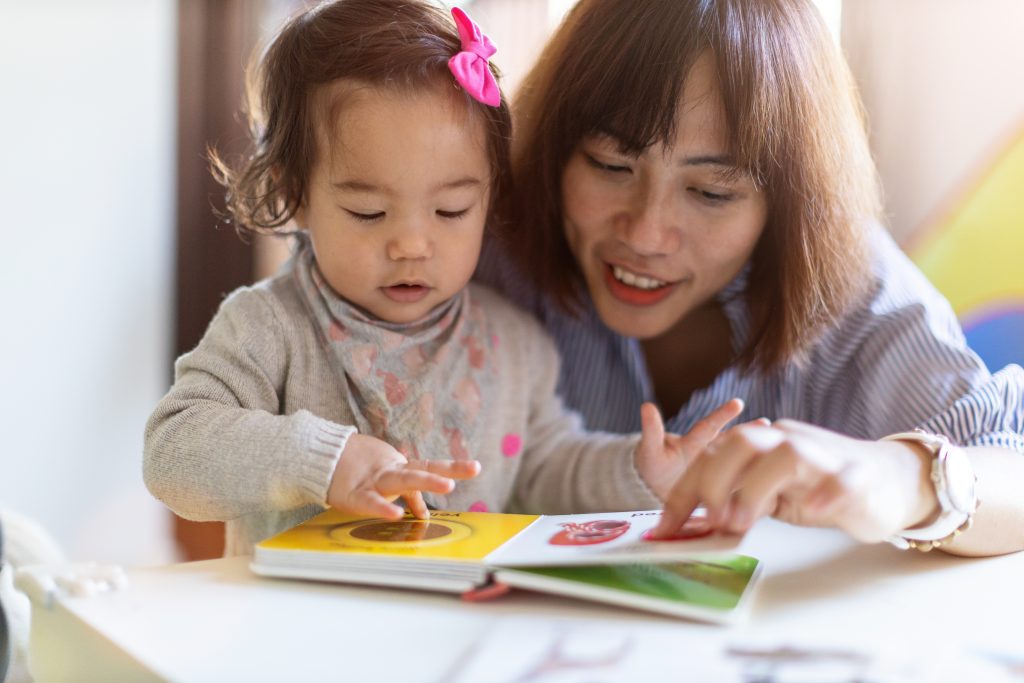
Sessions are built around your child’s day, not around a set curriculum. Your Special Instructor will use play, books, songs, and daily routines to target your child’s goals in a way that feels natural and fun. A big part of every session is coaching you on how to carry these strategies into the rest of your week.
Absolutely. Special Instruction is an excellent fit for children with a range of diagnoses, including Down syndrome, global developmental delays, genetic conditions, and more. Your Special Instructor will tailor strategies to your child’s unique strengths and needs.
Yes — and it’s very common. Early intervention services are designed to work together. Your child’s team will coordinate to make sure everyone is aligned on goals and strategies.
Yes. Helping families understand and respond to challenging behaviors is a core part of what Special Instructors do. They’ll work with you to identify triggers, develop consistent strategies, and support your child’s self-regulation skills.
We believe that the foundation, central influence and main source of support in a child’s life is family. Therefore, we encourage and support family members to be active participants in their child’s intervention services. We’re sensitive to each family’s customs and values, and honor cultural diversity and family traditions.
If you’ve started noticing things — your child isn’t making eye contact the way you’d expect, or they’re not responding to their name, or something just feels different — we want you to know: reaching out early is the most powerful thing you can do.
Only offered by a small number of agencies in Philadelphia. Specialized support for children who have experienced trauma or are showing signs of social-emotional difficulty. Our ITSE specialists teach families strategies to promote emotional wellness, healthy attachment, and resilience from the ground up.

When your child is going through early intervention, it’s easy to focus entirely on their development — the milestones, the therapies, the goals. But the truth is, children don’t grow in isolation. They grow in families. And families face real challenges every day.

Your child’s first words are magic. But when communication feels like a struggle — for them or for you — it can be stressful and isolating. You’re not alone, and early support makes a real difference.

Watching your baby reach their first physical milestones — lifting their head, rolling over, sitting up, taking those first wobbly steps — is one of the greatest joys of parenthood. When those milestones are delayed or seem difficult, it’s natural to worry. Physical Therapy is here to help.

Every child learns to navigate the world in their own way — through touch, movement, play, and daily routines. When those everyday activities feel overwhelming or out of reach, Occupational Therapy can help.
