
Watching your baby reach their first physical milestones — lifting their head, rolling over, sitting up, taking those first wobbly steps — is one of the greatest joys of parenthood. When those milestones are delayed or seem difficult, it’s natural to worry. Physical Therapy is here to help.
At Brighter Days, our Physical Therapists work with your child and your family to build the strength, balance, coordination, and movement skills your little one needs to explore and engage with the world around them. We bring therapy to you — in your home, at daycare, or in your community — so your child learns and practices in the real environments where they live and play.
Our PTs don’t just work with your child during sessions. They teach you the stretches, positioning techniques, and movement strategies you can use every day to support your child’s progress between visits. Because the most powerful therapy happens in the moments you share together.
All Brighter Days Physical Therapists are licensed in Pennsylvania and have specialized experience working with infants and toddlers, including those with complex medical and developmental diagnoses.
Our Physical Therapists can help with:
Signs Your Child May Benefit from Physical Therapy
The sooner, the better. Torticollis responds very well to early physical therapy, and the earlier treatment begins, the faster and more completely it typically resolves. If you’ve received a torticollis diagnosis or suspect your baby is favoring one side, call us right away.
Sessions are hands-on and happen in your home or daycare setting. Your PT will guide your child through movement activities, stretches, and play that targets their specific motor goals — and will coach you on techniques to use throughout the day. For infants, this might look like tummy time strategies and positioning. For toddlers, it might involve obstacle courses, ball play, and practicing stairs.
Yes. Low muscle tone (hypotonia) is one of the most common reasons children receive early intervention PT. Your Physical Therapist will design a program of strengthening, positioning, and movement strategies tailored to your child’s needs, and will work with you to build these into your daily routine.
Some children benefit from adaptive equipment or orthotics (like ankle-foot orthotics/AFOs) to support their development. If your child would benefit from assistive technology or adaptive equipment, your PT will help guide you through the process of getting what they need.
It’s very common for children in early intervention to work with multiple providers at the same time. Each therapy has a different focus, and your team will coordinate to make sure services complement each other. Your Service Coordinator can help you manage scheduling and ensure everyone is working toward the same goals.
We believe that the foundation, central influence and main source of support in a child’s life is family. Therefore, we encourage and support family members to be active participants in their child’s intervention services. We’re sensitive to each family’s customs and values, and honor cultural diversity and family traditions.
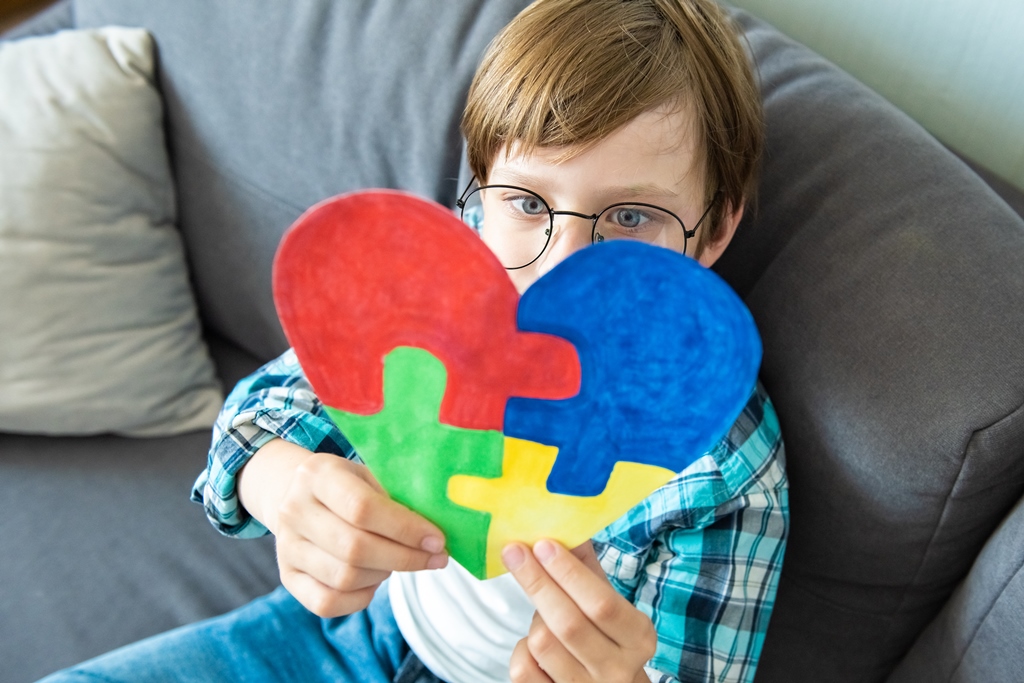
If you’ve started noticing things — your child isn’t making eye contact the way you’d expect, or they’re not responding to their name, or something just feels different — we want you to know: reaching out early is the most powerful thing you can do.
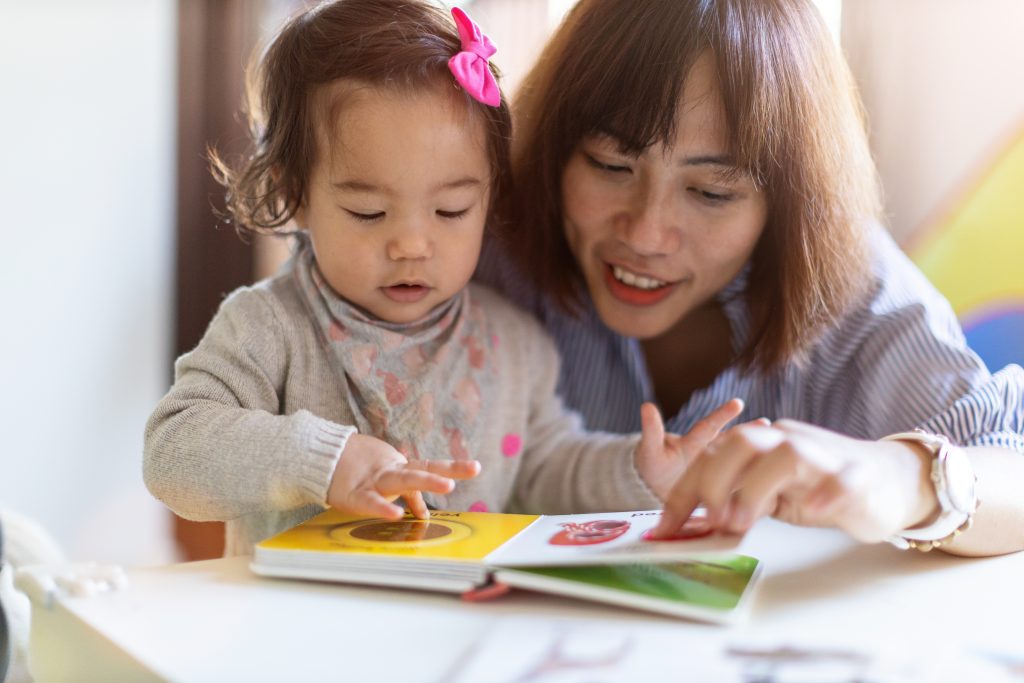
Only offered by a small number of agencies in Philadelphia. Specialized support for children who have experienced trauma or are showing signs of social-emotional difficulty. Our ITSE specialists teach families strategies to promote emotional wellness, healthy attachment, and resilience from the ground up.

When your child is going through early intervention, it’s easy to focus entirely on their development — the milestones, the therapies, the goals. But the truth is, children don’t grow in isolation. They grow in families. And families face real challenges every day.

From the moment a baby is born, their brain is making connections at a remarkable pace. Those first three years are a window of incredible opportunity — and Special Instruction is designed to make the most of every single day within it.

Your child’s first words are magic. But when communication feels like a struggle — for them or for you — it can be stressful and isolating. You’re not alone, and early support makes a real difference.

Every child learns to navigate the world in their own way — through touch, movement, play, and daily routines. When those everyday activities feel overwhelming or out of reach, Occupational Therapy can help.
